Little Frog: A Creative Font for Bold Design
As a designer with years of experience in branding, editorial design, and packaging, I’ve come across countless fonts that promise to elevate a project. Little Frog is one that stands out—not because it’s the most refined or the most subtle, but because it brings a unique personality to the table. This decorative typeface has a playful yet polished feel that makes it ideal for projects looking to stand out without sacrificing professionalism.
The First Impression: Playful, Yet Polished
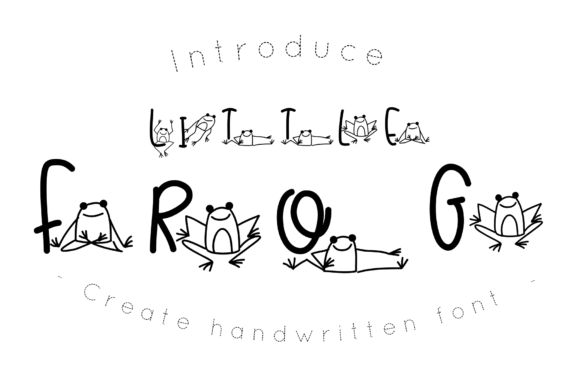
When I first saw Little Frog, its visual personality was immediately clear. The letterforms have a soft, rounded edge that gives them a friendly, approachable vibe. It’s not overly whimsical, which makes it more versatile than many other decorative fonts. The stroke contrast is gentle, and the overall structure feels balanced, making it suitable for both casual and more formal applications.
The font has a distinct character that feels like it belongs in a modern typography scene. It’s not too bold, nor is it too delicate. Instead, it sits in a sweet spot where creativity meets clarity. This makes it an excellent choice for logos, headlines, and other design elements that need to command attention while maintaining readability.
Real-World Use: Where Little Frog Shines
Little Frog performs well in a variety of real-world design scenarios. In logo design, it adds a sense of fun and individuality without overwhelming the brand. For brand identity, it can be used as a secondary font to add visual interest to headings, tags, or accents. It works especially well when paired with a clean sans serif or a classic serif, creating a dynamic font pairing that feels intentional and modern.
In packaging design, Little Frog can be used for product names, taglines, or promotional text. Its rounded shapes make it visually appealing on physical items, and its legibility at medium sizes ensures it doesn’t get lost in the noise of a busy package. For merchandise like t-shirts, mugs, or stickers, it adds a creative touch that feels fresh and original.
On social media graphics and digital ads, Little Frog can help a post stand out. It’s perfect for eye-catching headlines, call-to-action buttons, or decorative accents that draw the viewer’s attention. However, it’s important to use it sparingly, as overuse can reduce its impact.
Where to Use Little Frog Carefully
While Little Frog is a strong display font, it’s not always the best choice for every application. In large headlines, it can become too dominant, especially if the surrounding text isn’t carefully designed. Similarly, in premium packaging or high-end branding, it may not convey the sophistication that some clients expect. In such cases, a more refined script or serif font might be a better fit.
For supporting text, such as body copy or footnotes, Little Frog is not ideal. Its decorative nature can make it difficult to read in small sizes or when used in long paragraphs. It’s best reserved for short phrases, quotes, or visual accents that don’t require sustained reading.
When using Little Frog in web design, it’s crucial to test it at different screen sizes and ensure it remains legible. While it looks great in headers and banners, it may not perform as well in smaller text sizes or when paired with certain background colors.
Readability and Brand Consistency
Little Frog’s readability depends largely on how it’s used. At larger sizes and in short bursts, it’s highly legible and visually engaging. However, in dense blocks of text, it can become distracting and hard to follow. This makes it less suitable for editorial design or any project that requires prolonged reading.
For brand consistency, it’s important to use Little Frog strategically. It should complement the rest of the design system rather than compete with it. When paired with a complementary font—such as a clean sans serif or a classic serif—it can create a cohesive and professional look. However, using it alongside too many other decorative fonts can lead to a cluttered, unprofessional appearance.
Audience trust and recognition are also factors to consider. While Little Frog adds a creative flair, it may not be the best choice for brands aiming for a more traditional or serious tone. That said, for startups, creative agencies, or brands targeting younger audiences, it can be a powerful tool for differentiation and engagement.
Practical Designer Notes
Before finalizing any project with Little Frog, I recommend testing it in black and white to see how it performs without color. This helps assess its visual weight and how it interacts with other design elements. Also, check small-size readability by printing a sample or viewing it on a mobile device. If it becomes too fuzzy or hard to read, it may not be the best choice for your project.
Try it on real mockups to see how it looks in context. Compare uppercase and lowercase versions to understand how they interact. Review spacing to ensure it doesn’t feel cramped or too loose. Test it beside other font styles—serif, sans serif, script, handwritten, and display—to find the best pairing for your design.
Finally, always confirm commercial licensing before using Little Frog in client work or business projects. Many fonts have restrictions on resale or modification, and it’s essential to ensure you’re compliant with all terms.
Conclusion: A Unique Font for Creative Projects
Little Frog is a standout decorative font that offers a fresh and approachable visual style. It’s not a one-size-fits-all solution, but for the right project, it can add a level of creativity and personality that other fonts simply can’t match. Whether you're working on a logo, packaging, social media graphic, or digital product, Little Frog is worth considering as part of your design toolkit.